
The Jewish holiday of Passover (in Hebrew, Pesach) commemorates the exodus of the Jewish people from slavery in Egypt. You could say it’s kind of a big deal. But planning your Passover celebration doesn’t have to be.
This year, Passover begins the evening of Wednesday, April 1 and ends the evening of Thursday, April 9. Many families gather for a seder on the first and second nights, but like many things in Judaism, that’s flexible.
Passover is a holiday about freedom, resilience, and telling our story together. This year, many in our community are also holding a lot of emotion as the war in Israel and the broader Middle East continues. Jewish tradition makes space for that complexity. Around the Passover table, we remember hardship while celebrating freedom and being together — a reminder that joy and sorrow can exist side by side.
At Honeymoon Israel, we’re all about helping you “do Jewish” in your own way. Whether you’re planning a traditional seder or looking for a more creative way to mark the holiday, we hope these Passover resources help you celebrate in a way that feels meaningful to you and your home.
Chag Pesach Sameach — wishing you a meaningful and joyful Passover.
Got any questions – about a seder or anything else? Feel free to send us a note at info@honeymoonisrael.org – our team is always happy to listen and help point you in the right direction.
PASSOVER ALUMNI MICRO GRANTS
We want to support you in celebrating Passover in a way that feels right for you by providing two Alumni Micro Grant options!
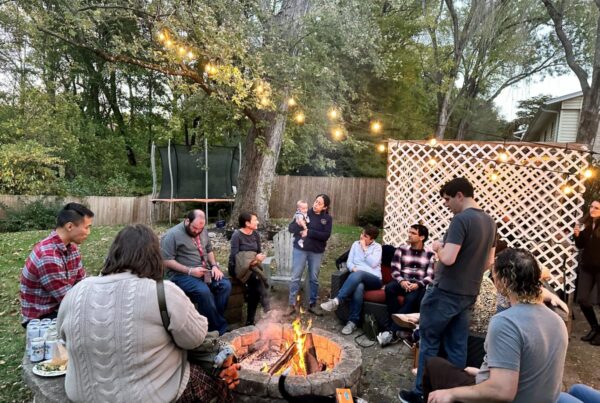
Host a Passover Seder (or Party!) Your Way
Often centered around the seder, a ritual meal that brings the story of liberation to life, Passover invites us to reflect on freedom, ask questions, and connect across generations. Whether you’re hosting your first seder or reimagining traditions in a way that feels authentic to you, this holiday is a powerful opportunity to bring your HMI community together in your own home.
To help spark that experience, HMI will reimburse $18 per alum in attendance to support your Passover gathering—whether that goes toward ingredients, wine or grape juice, a seder plate, or printed materials to guide your evening.
Here are a few ideas to inspire you:
🍷 Host a Seder (Your Way)
🍎 Charoset or Wine Tasting Night
👫 Couples’ Seder or Reflective Evening
👨👩👧👦 Family-Friendly Seder
However you choose to celebrate, Passover is about more than a meal—it’s about telling a story that has been passed down for generations, while finding your own place within it. Each seder is a chance to reflect on where we’ve been, where we’re going, and how we show up for one another along the way.
Not sure where to start? Check out HMI’s handy Guide to Curating Your Own Passover Experience to think through, step-by-step, the process of creating your seder. Traditional seder not your vibe? Scroll down for more inspiration and resources!
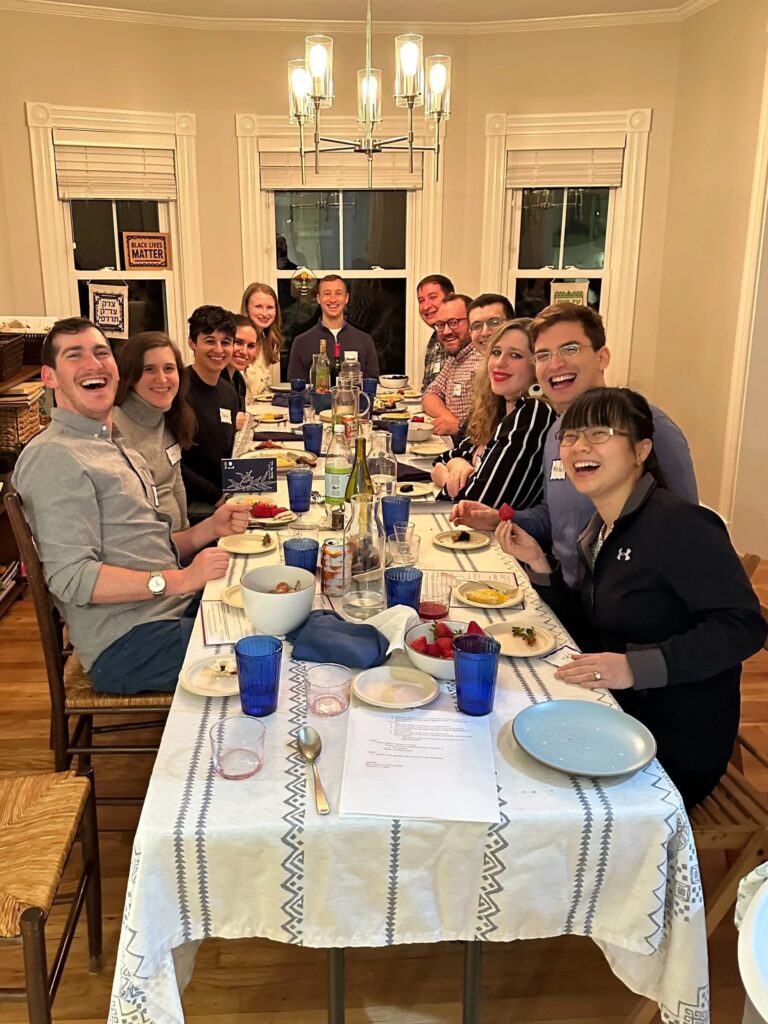
Attend a Community Passover Event
Prefer to join an existing celebration? Use the grant to attend a local seder or community gathering—whether at a synagogue, Jewish organization, or hosted by fellow alumni. It’s a great way to connect and experience the holiday in a shared setting.

RESOURCES
Seder Table Cheat Sheet
We’ve put together a Seder Cheat Sheet to help you feel confident attending or hosting. The word seder means “order” in Hebrew. It’s a home-based ritual with food, storytelling, songs, and traditions that follow a set order. Seders are typically held on the first and often second night of Passover, and around the world they reflect the diversity of Jewish cultures.
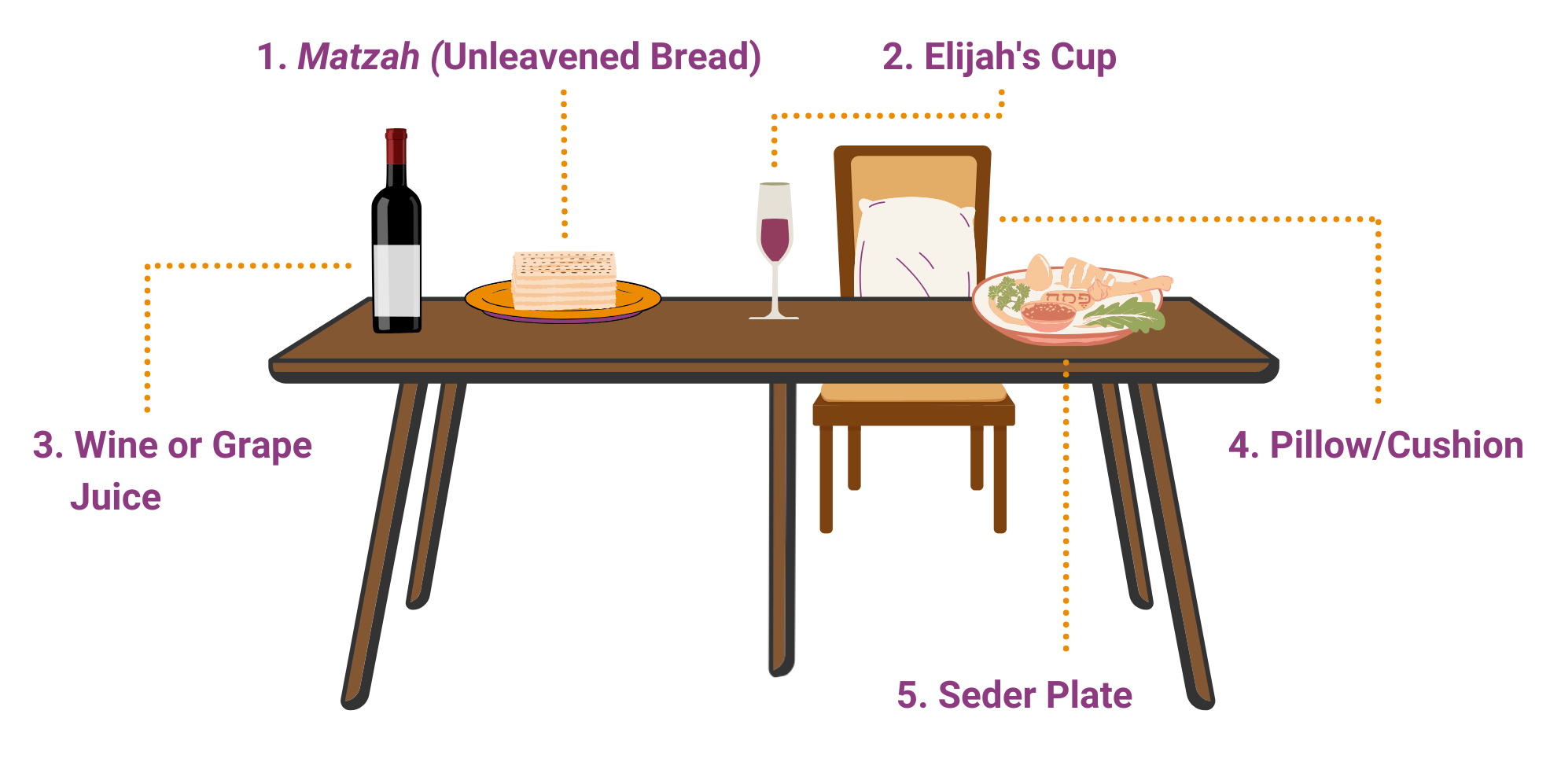
Seder Table: While every seder is unique, here are a few classic ritual items you’ll find.
1. Matzah (Unleavened Bread)
Matzah represents the Israelites’ unleavened bread as they fled from Egypt. We stack three pieces on a special plate; break the afikomen, or middle piece, in half and hide the larger piece to be found later.
2. Elijah’s Cup
The prophet Elijah is said to bring a time of redemption. We open the door to “welcome” this spirit of hope. Save a cup of wine or juice for Elijah!
3. Wine or Grape Juice
Four cups per person, each marking a transition in the seder.
4. Pillow/Cushion
We sit comfortably and recline using a cushion or pillow to remind us that we are now free.
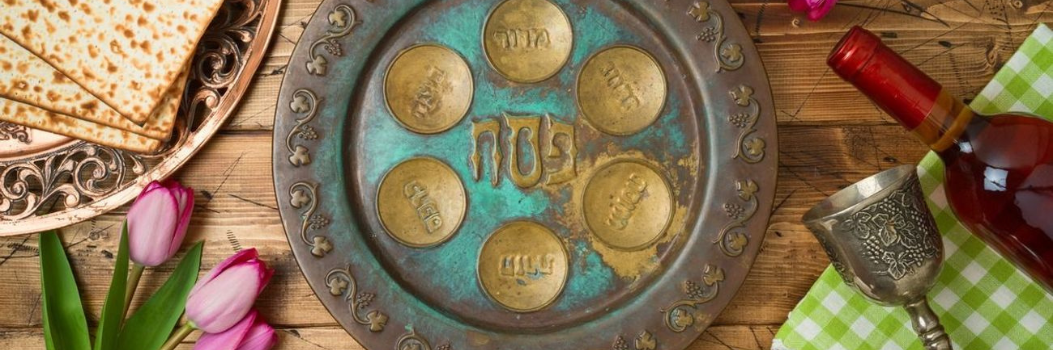
5. Seder Plate
Each symbolic food tells a different part of the Passover story.
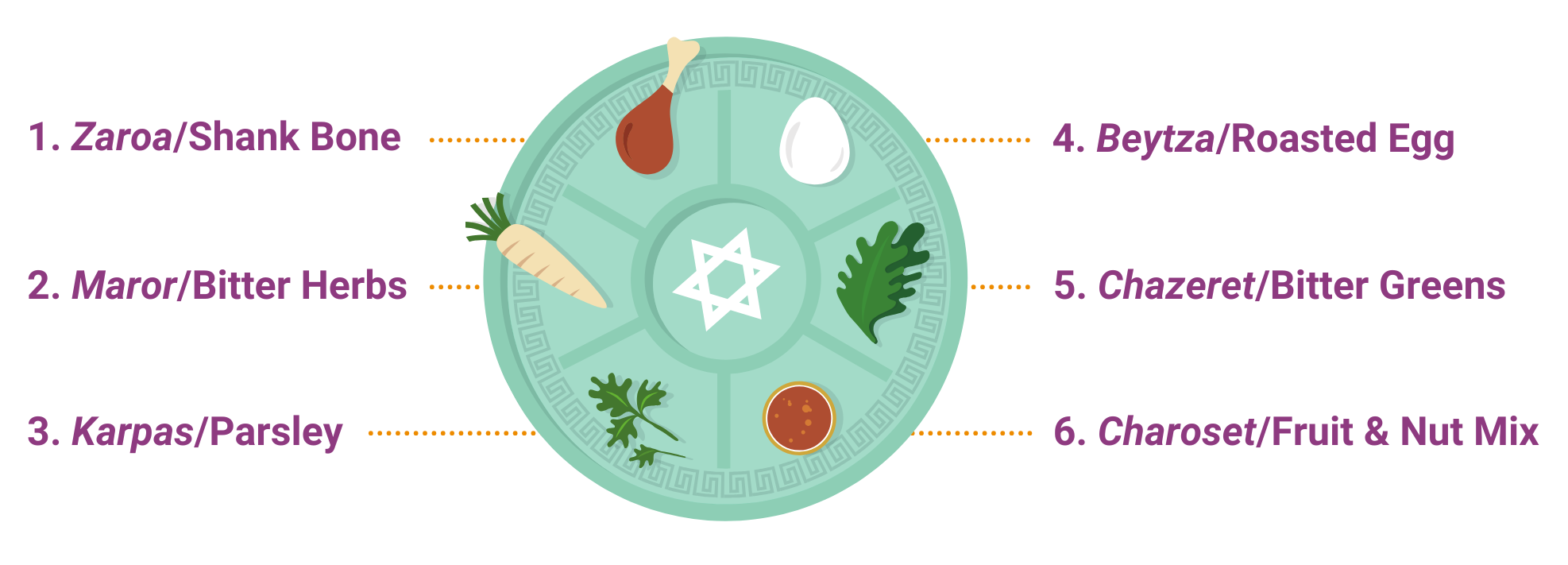
Seder Plate: Each symbolic food tells a different part of the Passover story.
1. Zaroa/Shank Bone
Symbolic of the spring sacrifice of a young lamb, many substitute with a chicken bone or a red beet.
2. Maror/Bitter Herbs
Many use horseradish to represent the bitterness of slavery, but fresh radish, spicy peppers, or wasabi are options.
3.Karpas/Parsley
We dip parsley in salt water to remember the sting of tears from oppression.
4. Beytza/Roasted Egg
A spring symbol representing the renewal of life, it marks the birth of Israelites as a free people.
5. Chazeret/Bitter Greens
Romaine lettuce, endives, or chicory are used as a second symbol of bitterness.
6. Charoset/Fruit & Nut Mix
Derived from the Hebrew word for clay, Charoset represents the mortar used by the Israelites in their enslavement.
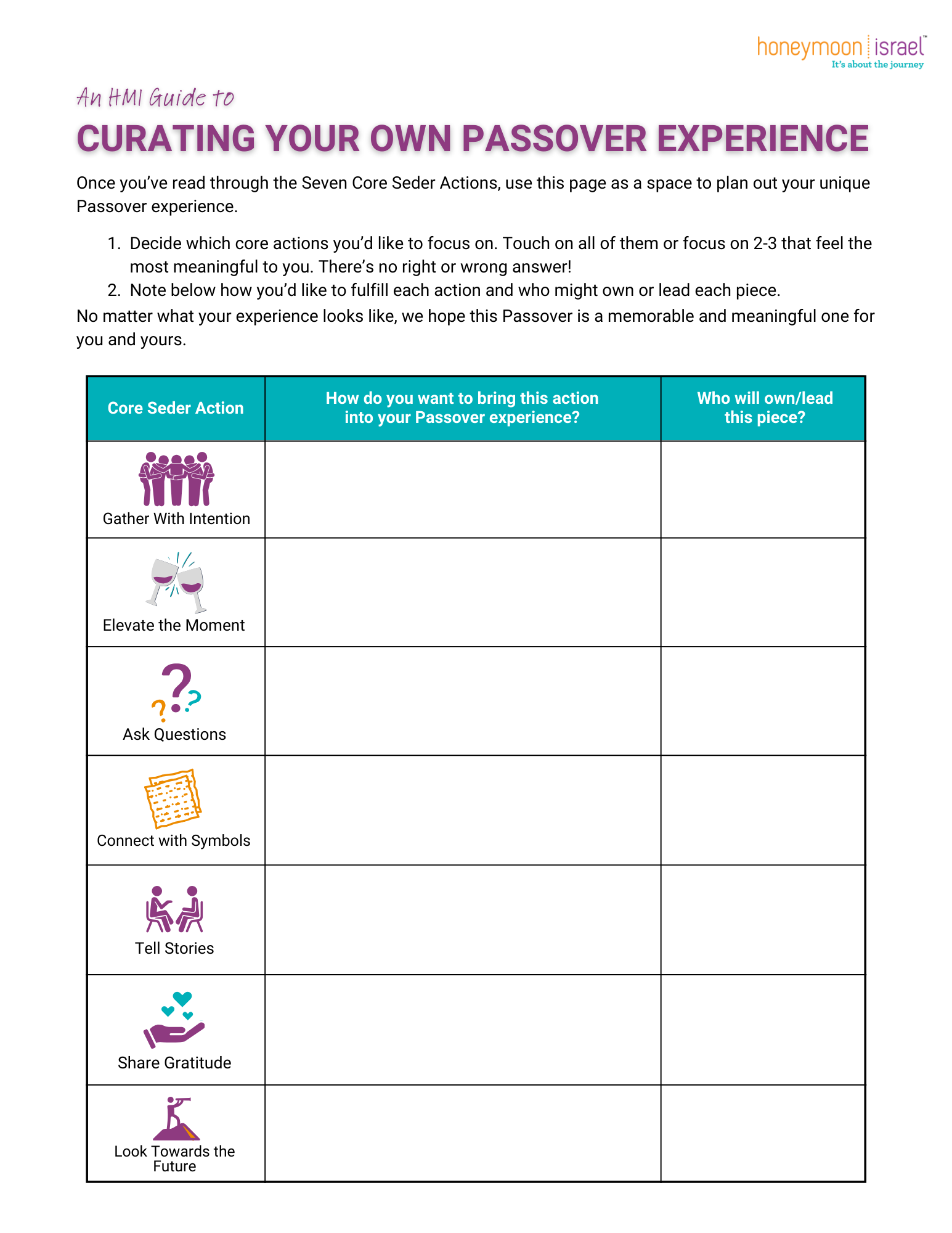
An HMI Guide to Curating Your Own Passover Experience:
Traditional seder’s not your style? We’ve put together this resource to help you think through what aspects of the holiday mean the most to you and how you want to integrate them into your own unique Passover experience. No previous Passover experience required!
-
We’ve taken the traditional seder components and highlighted seven core actions along with ideas for how to incorporate them into your experience. Click here to see these seven core actions.
-
Select the core actions you’d like to focus on.
-
Use our downloadable PDF to make notes on how you’d like to fulfill each action.
PASSOVER INSPO
Seder’s not your style? Check out these reimagined Passover celebrations that you can easily plan with your HMI fam. No previous Passover experience required.
Host a 10 Plagues party! In the Passover story, the Egyptian people suffered through 10 plagues before Pharaoh let the Jews go free. Experience Passover with all of your senses this year with these ideas to make edible versions of the 10 plagues. Or get creative with some 10 plague finger puppets – great for telling the Passover story to kids, or even for decorating your seder table! You can even host a party with your HMI friends (either for a seder or any other night of Passover) and encourage everyone to come dressed up as their favorite plague.

Add New Symbolic Items to Your Seder Plate
A seder plate is more than just a (beautiful!) ritual object — it’s a reflection of the values and stories we bring to the table. Many people today include modern additions to reflect values like inclusivity and justice. These additions include:
- An orange representing inclusion of marginalized voices, particularly women and LGBTQ folks
- A potato honoring Ethiopian Jews and their journey
- An avocado pit symbolizing climate awareness
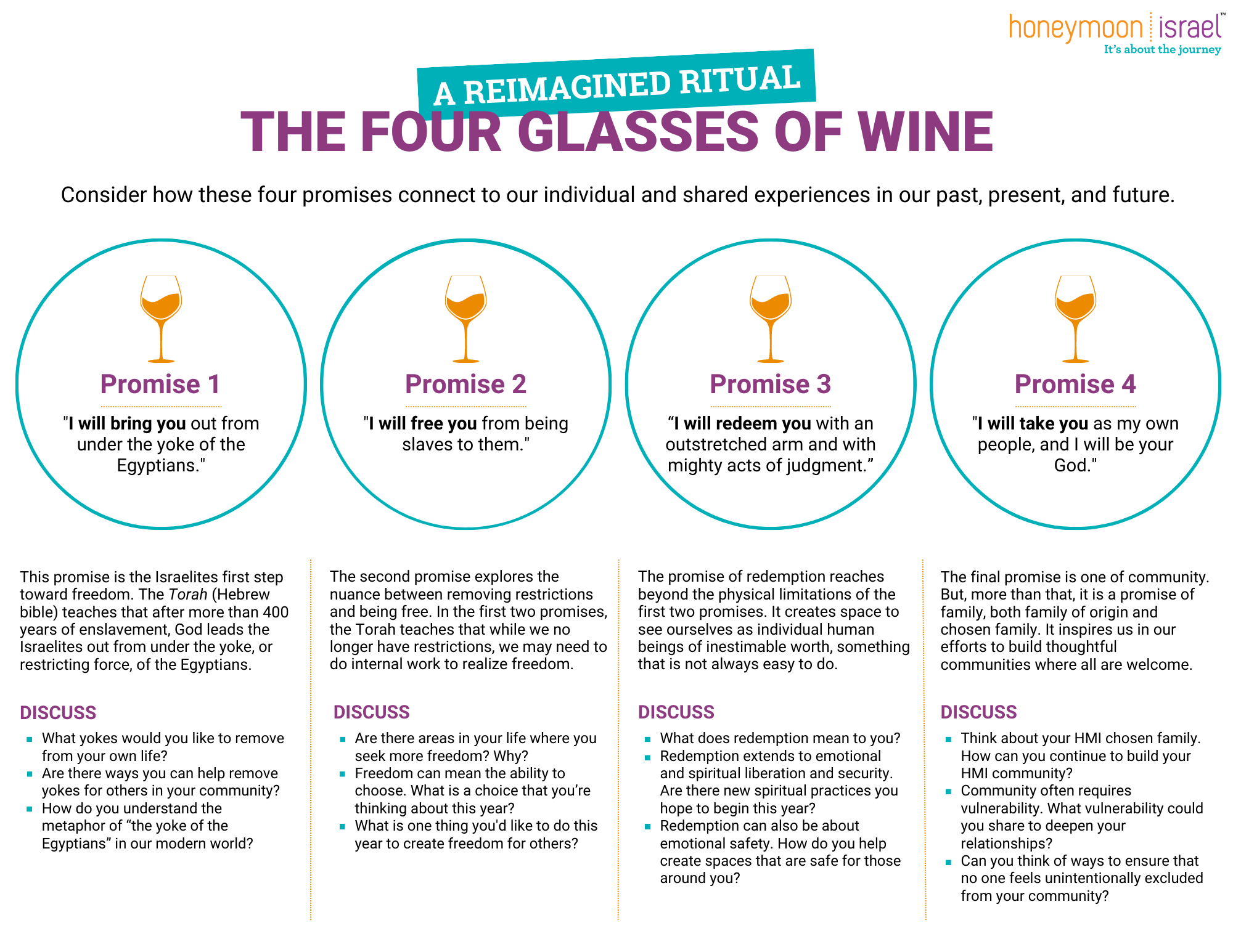
The Four Glasses of Wine
We’ve got the perfect alternative Passover celebration that incorporates Passover storytelling and rituals with intimate conversational prompts. This easy Passover mini-seder helps you host your HMI crew in style.
Couples’ Seder or Reflective Evening
Keep it intimate with a seder for two. Read the story together, share reflections on freedom in your own lives, or incorporate conversation prompts that connect the ancient story to the present moment.
Find Your New Favorite Charoset Recipe
Consider hosting a “Charoset Around the World” tasting! Charoset is a mixture of fruits, nuts, and spices that represents the mortar and clay the enslaved Israelites were forced to use in Egypt. Judaism has never looked (or tasted!) just one way, and exploring charoset recipes is a delicious and fun way to honor and explore the diversity that is so inherent to Judaism.
Invite guests to try different charoset recipes and share their own twists – here are some recipes from around the world to get you started. Who knows? You might start a new favorite Passover tradition!
Try Mike Wise’s Famous Brisket Recipe
HMI’s co-founder wanted to share his family’s famous brisket recipe with the HMI community!
“My mom was a great cook, and she taught me how to make this brisket. It has become a holiday staple for our family because it brings back nice memories from the past. Plus, it’s delicious! Everyone in my extended family also loves it and uses this same recipe when cooking for their friends and family. I hope the HMI community enjoys this dish that is near and dear to my heart.” – Mike Wise, HMI co-founder
Here’s the modified version that is Kosher for Passover.