
Apples and honey? Obviously. Round challah? Always. But there’s a whole Jewish world of deliciousness beyond the classics.
Rosh Hashanah is a new beginning. And what better way to celebrate a new beginning than by gathering around a table with people you love?
Jewish communities around the world have been doing exactly that for centuries, with traditions and recipes that reflect where they lived, what was growing around them, and the ways they imagined a sweet year ahead.
Ashkenazi, Sephardic, Mizrahi, Persian, Moroccan and other Jewish traditions bring their own flavors to the holiday. Some foods are eaten because they symbolize sweetness or abundance. Others are part of a Rosh Hashanah seder, where different foods represent hopes and blessings for the year ahead.
And some are just really, really good.
So whether you’re cooking a full holiday meal, bringing something to a friend’s table, or looking for an excuse to eat challah for breakfast, here are a few recipes worth trying this year.
Shana Tova — and happy eating.
🍎 Harvest Apple Challah
Tradition: Ashkenazi-inspired
Let’s start with the obvious superstar: apples + honey + challah = Rosh Hashanah magic.
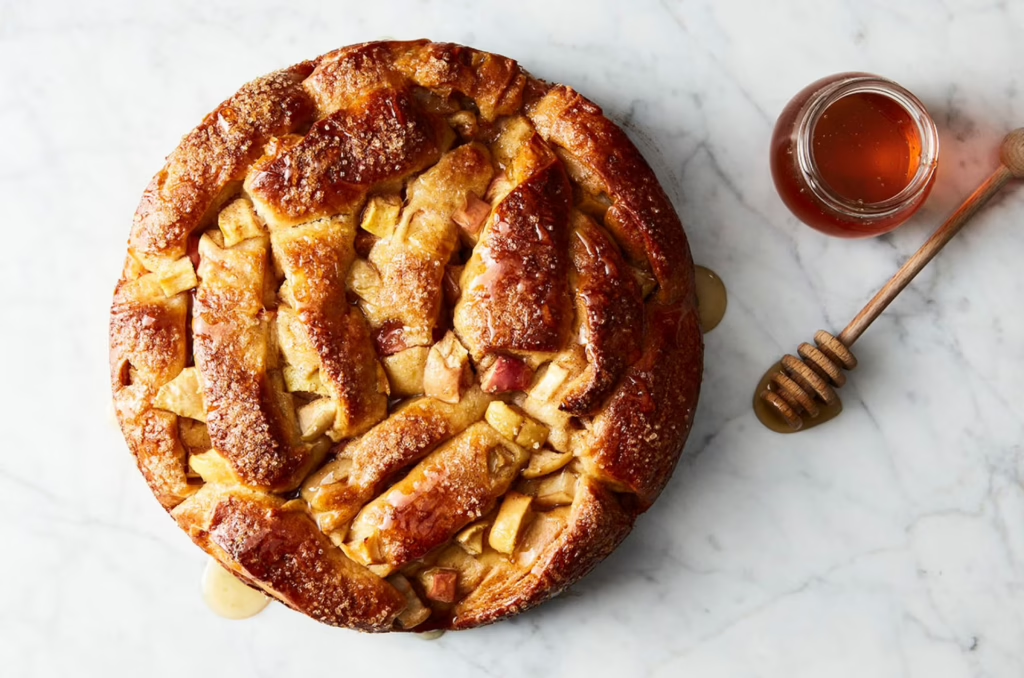
This beautiful round challah folds chunks of cinnamon-sugar apples right into the dough, then gets finished with a drizzle of honey. The round shape is perfect for the holiday, symbolizing the cycle of the year and the hope for a sweet beginning.
It also makes your kitchen smell ridiculously good.
Get the Harvest Apple Challah recipe from King Arthur Baking →
✨ One-Pot Jeweled Rice
Tradition: Sephardic / Persian
If your holiday table needs a little more color, meet jeweled rice.
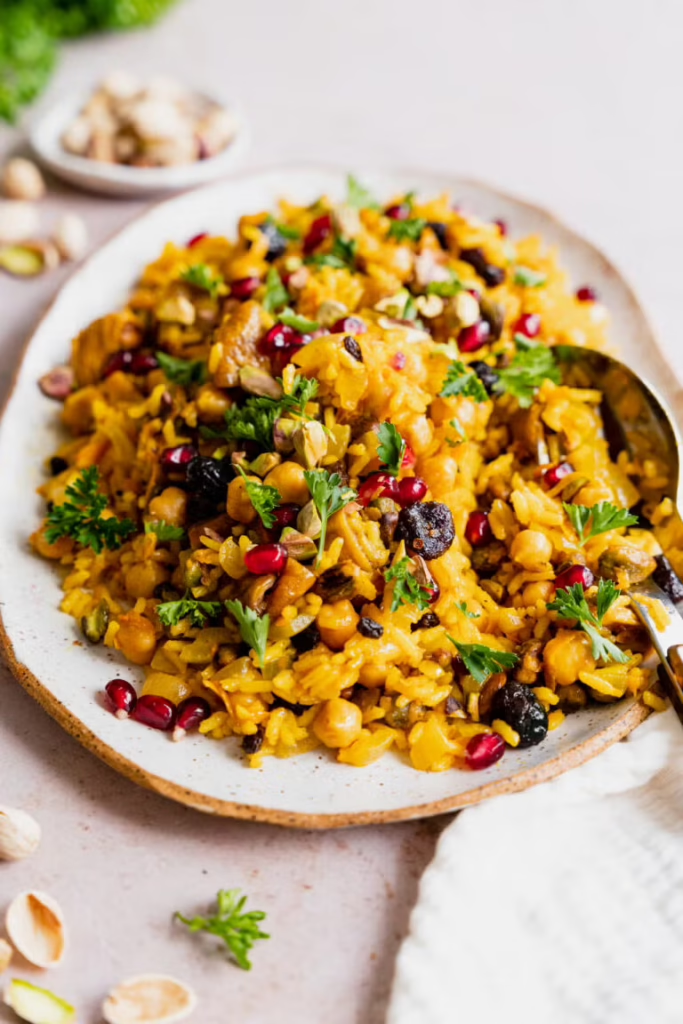
This gorgeous dish combines basmati rice with carrots, raisins, figs, pistachios and pomegranate seeds. It draws on Persian and Sephardic food traditions and incorporates several foods associated with wishes for abundance and a sweet new year.
And despite looking like something that took all day, this version comes together in one pot.
More color. More crunch. More pomegranate. We’re in.
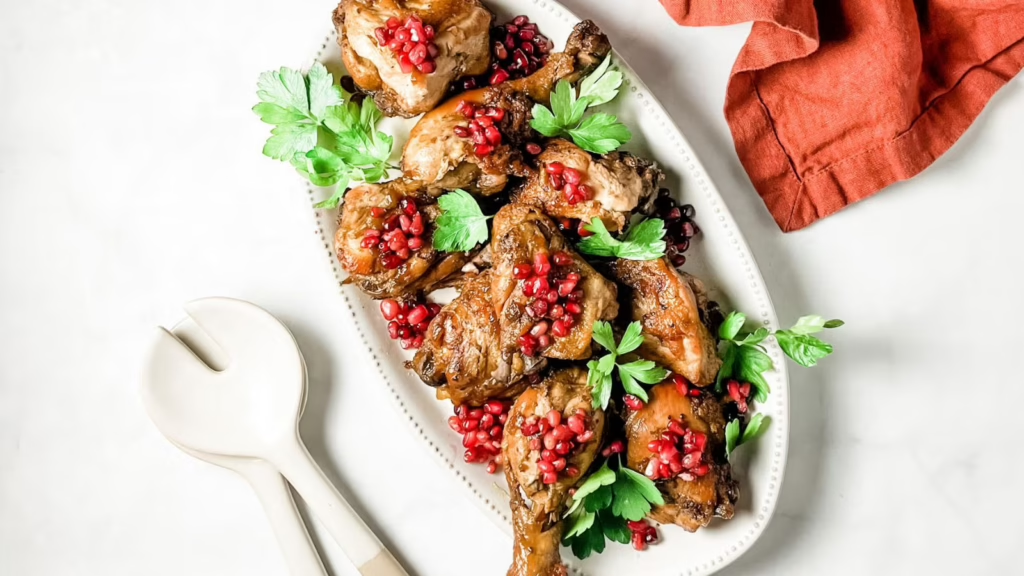
❤️ Pomegranate & Honey Glazed Chicken
Tradition: Persian-inspired
Pomegranate is one of those foods that shows up all over Jewish holiday tables, and for good reason. Its many seeds have long been associated with abundance, blessing and good deeds.
Here, pomegranate gets paired with honey for a sweet-and-savory main dish that feels festive without being fussy.
Basically: proof that holiday food can be impressive without requiring you to spend your entire day in the kitchen.
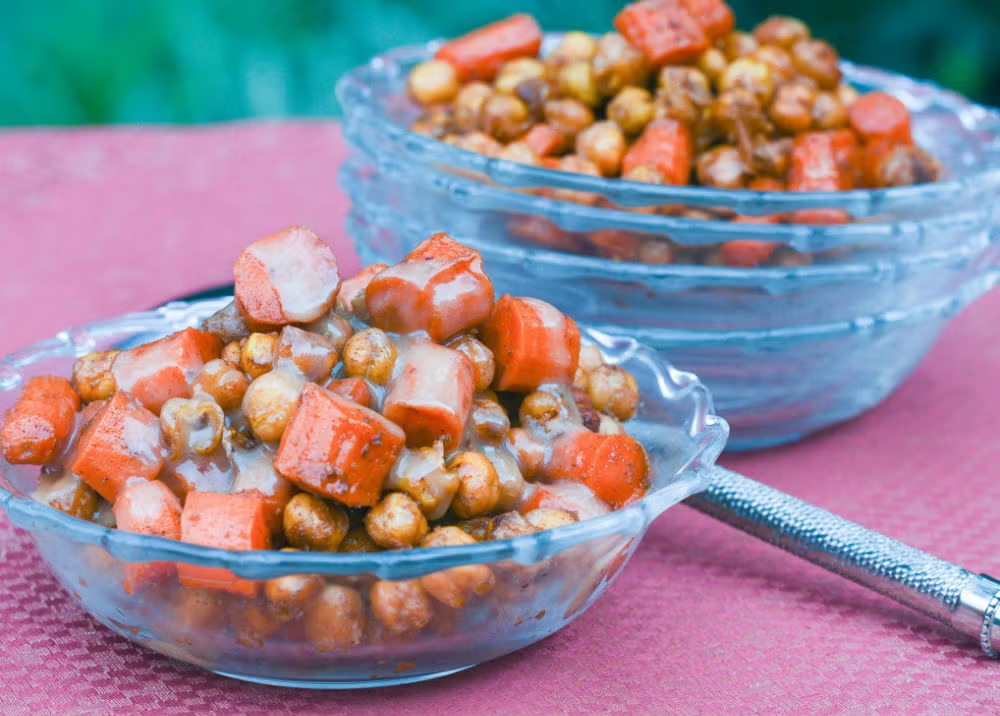
🥕 Honeyed Carrots & Roasted Chickpeas with Tahini
Tradition: Ashkenazi + Sephardic flavors
Carrots have a long history on Jewish holiday tables, including both Ashkenazi and Sephardic traditions. This recipe brings those worlds together with honeyed carrots, crispy chickpeas and tahini.
It’s sweet. It’s savory. It has crunch. It has tahini.
In other words, it has range.
It’s also a great vegetarian option for a table where everyone has a slightly different idea of what dinner should look like.
🍯 Majestic & Moist Honey Cake
Tradition: Ashkenazi, with a Middle Eastern twist
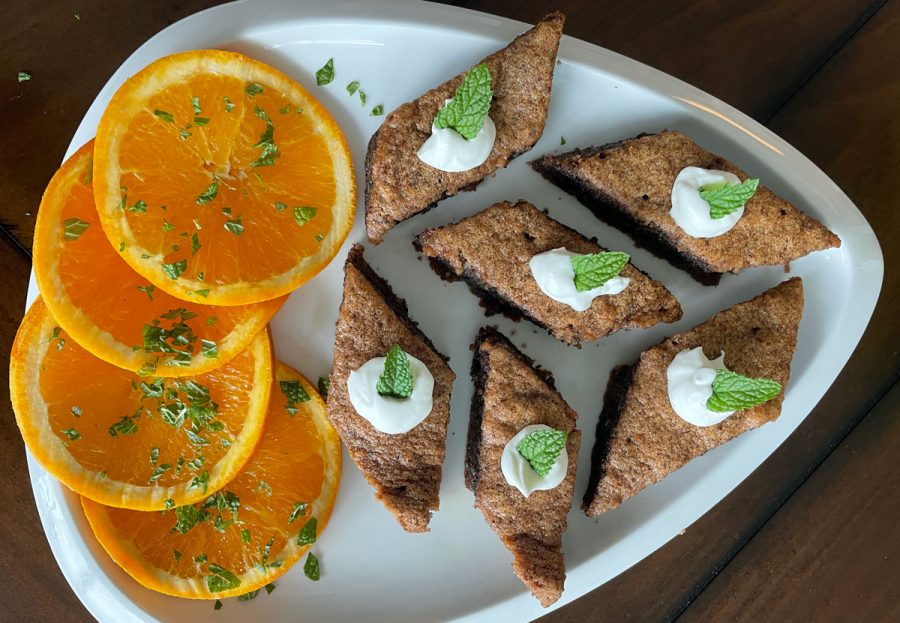
Honey cake is a Rosh Hashanah classic, and this version takes the tradition somewhere deliciously unexpected. Inspired by a beloved Jewish holiday recipe, New York Shuk adds kafe hawaij and ras el hanout for warm, fragrant Middle Eastern flavor, along with orange juice, coffee and honey.
It’s rich, spiced, deeply sweet and exactly the kind of cake you’ll want with a cup of coffee the next morning.
A sweet new year calls for a sweet cake. We don’t make the rules.

🌱 A Little More Jewish Food Inspiration
One of the best things about Jewish food is that there is no single Jewish table.
Across communities, Rosh Hashanah traditions include everything from apples and honey to dates, leeks, squash, beans and pomegranate. Some families hold a Rosh Hashanah seder featuring symbolic foods and blessings; others have a familiar family dinner; others are creating traditions of their own.
And honestly? We love all of it.
Because Jewish life has always traveled, changed, borrowed, adapted, and evolved. Your holiday table can do the same.
Try your grandmother’s recipe. Order takeout. Make something from a Jewish tradition you’ve never tried before. Invite friends who have never celebrated Rosh Hashanah. Make a giant mess in the kitchen.
There’s more than one way to do Jewish.
Here’s to a sweet new year.
May your year be full of good food, good people, unexpected adventures and plenty of reasons to gather around the table.
Shana Tova from HMI. ❤️