
There is something wonderfully chaotic about Simchat Torah.
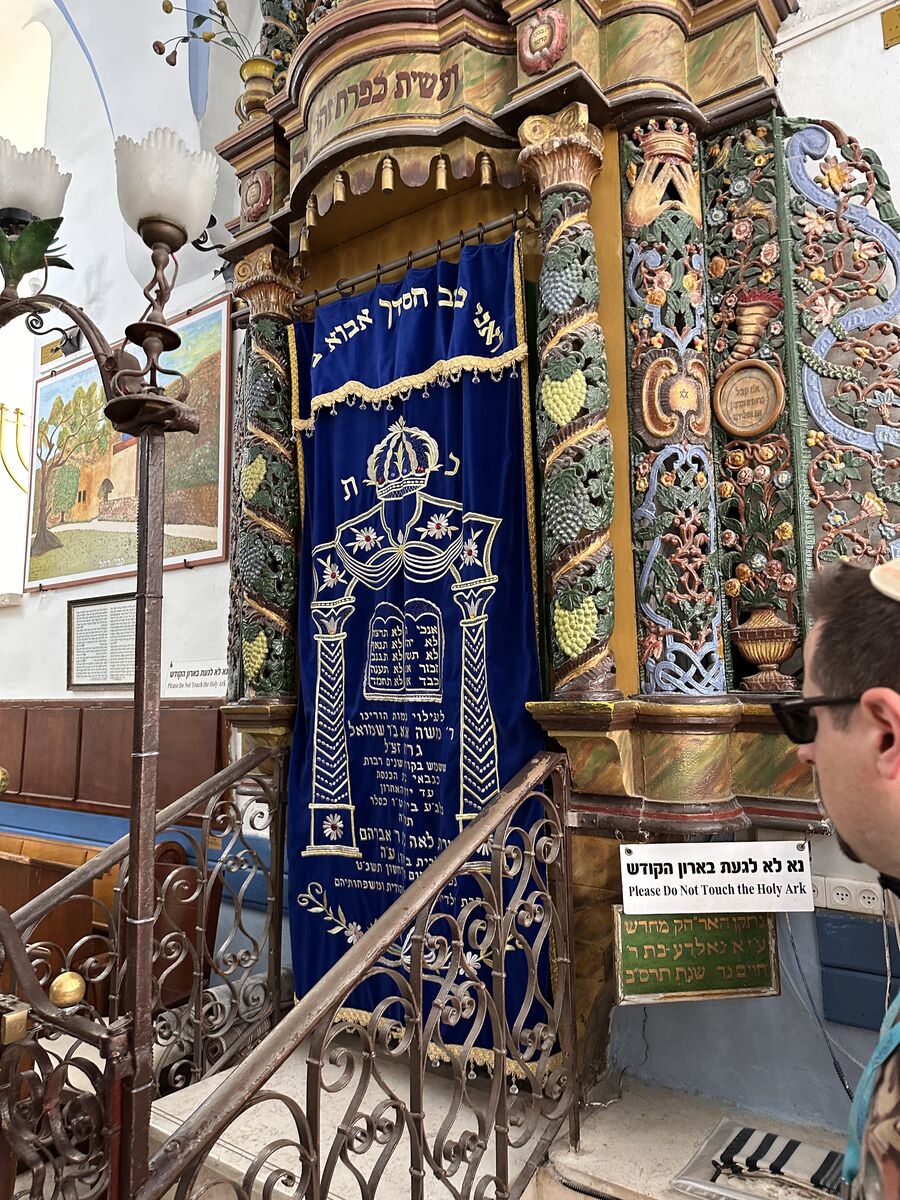
The Torah scrolls come out of the ark. People sing and dance. Children run around. And adults who may not have been in synagogue for months suddenly find themselves swept into the celebration.
Simchat Torah is a holiday marking the conclusion of a year if reading the Torah before the scroll is rewound to start anew.
People who know every word of every prayer stand alongside people who are still figuring out what they’re supposed to be doing. Some grew up celebrating Simchat Torah every year. Others may be experiencing it for the first time.
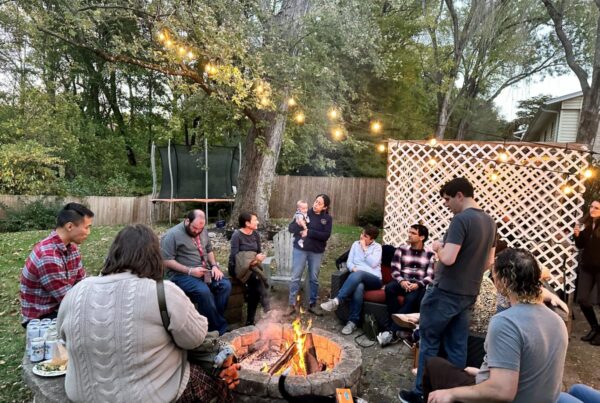
And somehow, everyone ends up in the same circle.
That’s what makes the Simchat Torah circle such a powerful image for Jew
What does it mean to belong in Jewish life?
For many people, finding a place in Jewish life comes with questions.
Am I Jewish enough? Knowledgeable enough? Connected enough?
For couples from different Jewish, cultural, or religious backgrounds, there can be even more questions. Will my partner feel welcome? Will we find a Jewish community where we both feel at home? Can we build a Jewish life together that feels meaningful to both of us?
These aren’t abstract questions. They shape how couples celebrate holidays, where they spend Shabbat, who becomes part of their community, and how they imagine raising a family.
And there’s an important difference between being welcomed into a community and feeling like you belong there.
“You’re welcome here” might sound like an invitation, but from someone who already belongs. It might feel just like permission to attend a service or being present a Jewish space. Being welcomed can mean someone opens the door and says, “Come in.”
Belonging is different. It’s feeling like you can participate fully once you’re inside. It’s making friends. Asking questions without feeling tested. Celebrating Jewish holidays with joy rather than worrying about whether you’re doing them “right.” It’s seeing yourself and the people you love reflected in Jewish life.
For couples of mixed heritage or different backgrounds, that distinction can be especially meaningful. A community might welcome a couple while unintentionally communicating that one partner is the “real” member and the other is a guest.
But people aren’t just looking for a place where they’re allowed to show up. They’re looking for a place where they can build relationships, create traditions, and become part of something bigger than themselves.

Jewish belonging doesn’t look the same for everyone
There isn’t one way to have a Jewish life.
Jewish communities have different approaches to ritual, spirituality, tradition, family, and identity. The community that feels like home for one person may not feel that way for another. And the Jewish life you create as an adult may look very different from the one you experienced growing up.
That’s okay.
The question is not whether you can pass a Jewish test. The question is whether you’ve found a place that feels like your Jewish home.
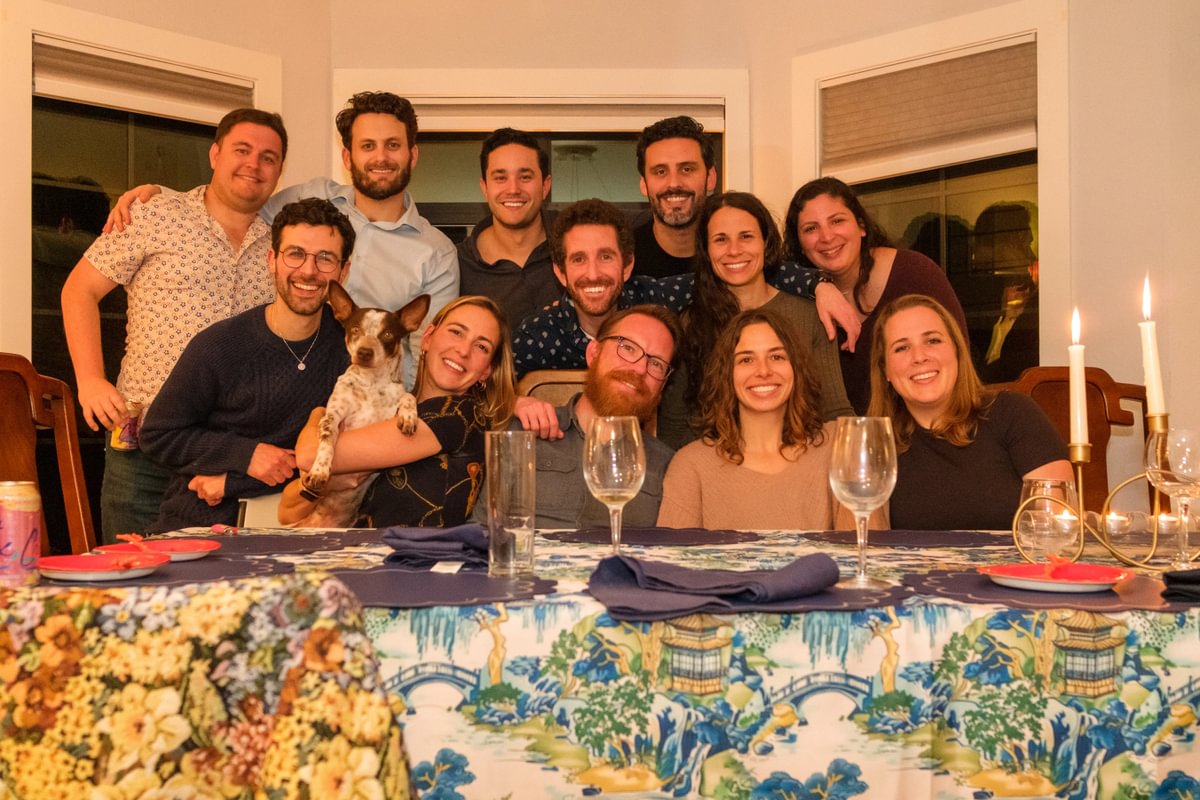
People often discover Jewish connection through experience before they have the words to explain what Jewish identity means to them. It might start with a friend inviting you to Shabbat. A relationship. A holiday celebration. Raising children. A conversation. A meal around a table.
Or, for thousands of couples, a Honeymoon Israel trip. An opportunity for couples to write their own Jewish story.
Sometimes you find your way into Jewish life by simply stepping into the circle.
What Simchat Torah can teach us about belonging
Simchat Torah is, at its heart, a celebration of relationship: with Torah, with tradition, and with one another.
We don’t celebrate by standing at a distance and watching. We take the Torah out. We carry it. We dance with it. We sing. We celebrate Jewish joy together.
Not everyone has the same relationship with Torah. Not everyone has the same Jewish story. Not everyone knows the same prayers or celebrates every tradition in the same way.
But for that moment, they’re part of the same circle.
Maybe that’s a useful way to think about Jewish belonging more broadly.
Instead of asking whether someone has reached the “right” place in Jewish life, what would happen if we created more opportunities for people to step into it?
That doesn’t mean every community needs to look the same or that every question about Jewish identity and practice has an easy answer. Jewish communities will continue to have meaningful disagreements about tradition, boundaries, and what Jewish life should look like.
But behind those questions is often a person trying to figure out where they fit. And perhaps our job is to keep making room for them to find out.
Come dance
Eventually, every Simchat Torah celebration ends. The singing stops. The Torah scrolls return to the ark. The circle breaks apart.
But for a moment, something happens inside that circle.
People with different histories, different levels of knowledge, and different relationships to Jewish life come together to celebrate something they share.
It’s a unique lesson that Simchat Torah offers.
We don’t all need the same story. We don’t all need to arrive in the same way. And we don’t all need to find belonging in the same community.
We just need enough circles where people can step in and belong. Where they can contribute. Where they can grow. Where they can bring the people they love.
Sometimes finding your place in Jewish life begins with knowing exactly where you fit.
And sometimes, it begins with someone making room in the circle and saying:
Come dance.